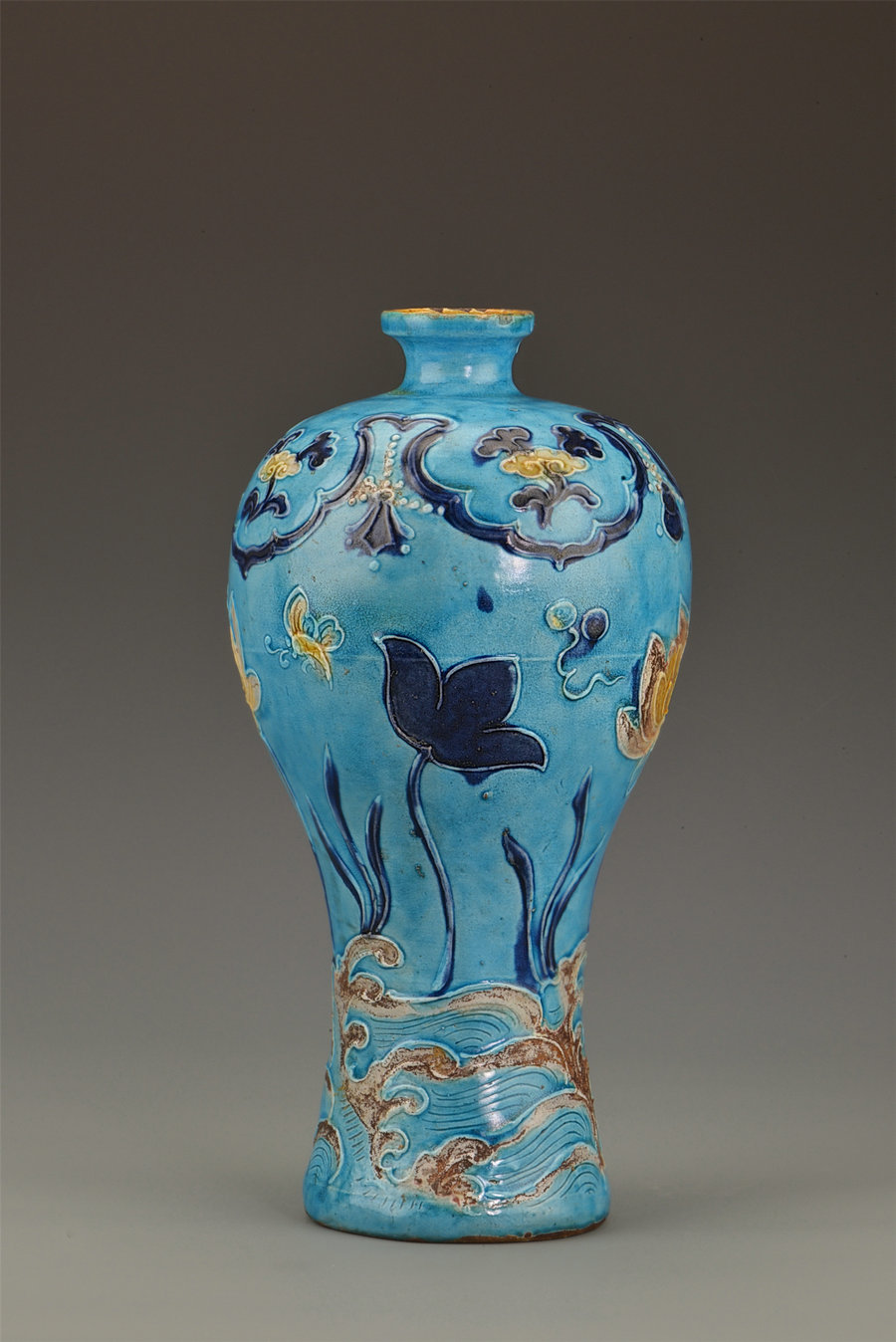
Northwest Continental Slope No 1 and No 2 Shipwrecks Site
Introduction
The Northwest Continental Slope No 1 and No 2 Shipwrecks Site represents a significant discovery in the realm of maritime archaeology. Located in the South China Sea, these shipwrecks date back to the Ming Dynasty (1368-1644), offering a rare glimpse into the naval history and maritime activities of ancient China. As part of the top 10 archaeological discoveries for 2023, this site stands out not only for its historical importance but also for its potential to provide valuable insights into the shipbuilding technology, trade routes, and cultural exchanges of the Ming era.
Discovery and Location
The Northwest Continental Slope No 1 and No 2 Shipwrecks Site was discovered during an exploration of the South China Sea's underwater terrain. Situated on the continental slope, the site is strategically positioned in a region known for its rich maritime history. The discovery was a result of a meticulous search conducted by a team of marine archaeologists, utilizing advanced technology to locate and identify the remnants of these ancient vessels. The exact coordinates of the shipwrecks remain carefully managed to protect the site from unauthorized disturbances.
Archaeological Significance
The archaeological significance of the Northwest Continental Slope No 1 and No 2 Shipwrecks Site lies in its capacity to fill gaps in our understanding of the Ming Dynasty's maritime prowess. As a period marked by substantial naval expansion and exploration, the Ming era witnessed the construction of formidable fleets, including the legendary voyages of Zheng He. These shipwrecks potentially align with such historical narratives, offering physical evidence of the ships that once navigated vast oceanic expanses.
Research and Excavation Efforts
Research and excavation efforts at the Northwest Continental Slope No 1 and No 2 Shipwrecks Site have been spearheaded by a coalition of archaeological institutes and universities. These efforts involve comprehensive surveys and the deployment of submersibles to examine the wrecks in detail. The goal is to recover intact artifacts and structural components of the ships, providing data that can be analyzed to reconstruct the design and functionality of Ming Dynasty vessels. The excavation process is conducted with a keen sensitivity to preserving the integrity of the site, ensuring that future generations can also study these invaluable remnants.
Findings and Artifacts
Preliminary findings from the Northwest Continental Slope No 1 and No 2 Shipwrecks Site have unveiled a treasure trove of artifacts representative of Ming Dynasty maritime culture. Items such as porcelain, ceramics and metal wares have been identified, each offering clues about the daily lives of sailors and the goods that were traded across seas. Additionally, components of the ship's structure, including timber and rigging elements, have been recovered, enabling researchers to study the shipbuilding techniques of the era. These artifacts serve as tangible connections to the past, painting a vivid picture of the Ming Dynasty's seafaring endeavors.
Impact on Maritime Archaeology
The Northwest Continental Slope No 1 and No 2 Shipwrecks Site has a profound impact on the field of maritime archaeology. As one of the most significant underwater discoveries in recent years, it underscores the vast potential of the South China Sea as a repository of historical maritime treasures. The site adds a new dimension to the understanding of the Ming Dynasty's naval capabilities and trade practices. Furthermore, it highlights the importance of interdisciplinary collaboration in the field, bringing together archaeologists, historians, and conservationists to piece together the narrative of these ancient seafarers.
Preservation and Conservation
Preservation and conservation efforts at the Northwest Continental Slope No 1 and No 2 Shipwrecks Site are critical to maintaining the integrity of the site for ongoing and future research. These efforts involve the application of cutting-edge conservation techniques to stabilize artifacts once they are brought to the surface. Furthermore, the site itself is monitored to prevent deterioration caused by environmental factors such as ocean currents and biological organisms. Collaborative initiatives with conservation experts ensure that the shipwrecks are protected, allowing for the careful study and display of artifacts in museum contexts, where they can be appreciated by the public.
The efforts also include educational programs and public exhibitions designed to engage a wider audience. These initiatives aim to raise awareness about the importance of maritime heritage and the role of archaeology in uncovering historical narratives. Public lectures, interactive museum displays and digital reconstructions of the shipwrecks provide immersive experiences that connect people with the past.








